


Folding Carton vs Corrugated Box
Folding cartons and corrugated boxes are both paper-based packaging formats, but they solve different problems. This guide compares their construction, printing, protection, shipping and typical applications so packaging buyers can choose a suitable starting point.
Short answer: Choose a folding carton when retail presentation, detailed printing and a compact paperboard structure are priorities. Choose corrugated packaging when shipping strength, cushioning or protection for heavier products is the primary requirement. Some products use both: a printed folding carton inside a corrugated shipping case.
What is a folding carton?
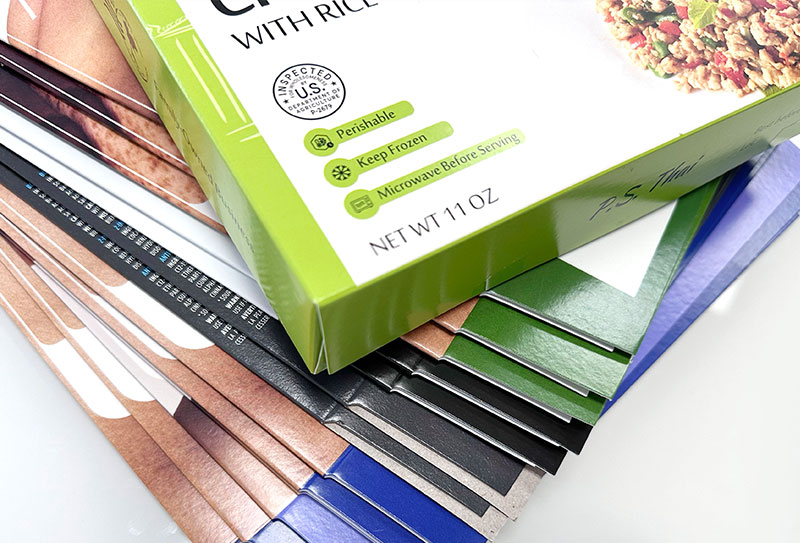
A folding carton is made from paperboard that is printed, die cut, creased, folded and usually glued into a finished package. Folding cartons are commonly used for food, pharmaceuticals, cosmetics, personal care products and other retail goods.
The flat paperboard surface supports detailed graphics, brand colours, product information and finishes. Carton structure, board grade, coatings and closure style can be customized around the product and packing process.
What is a corrugated box?
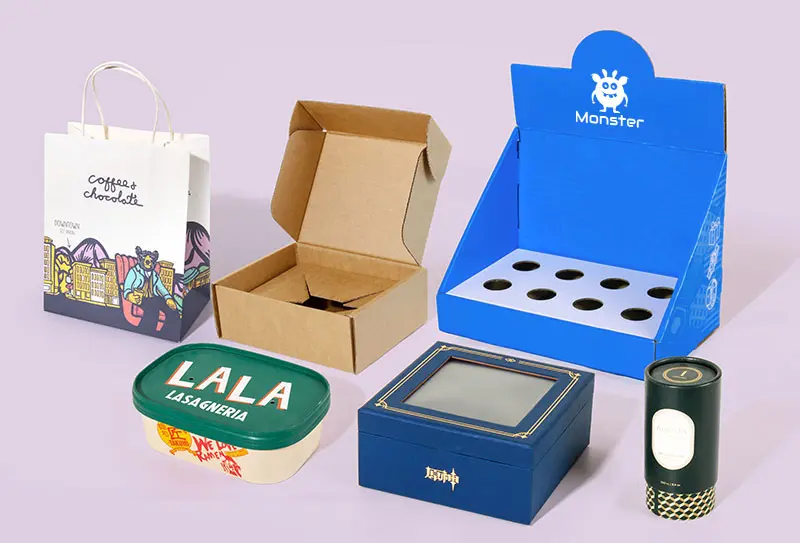
A corrugated box is made with one or more fluted paper layers positioned between liner sheets. The fluted structure creates rigidity, cushioning and stacking strength. Corrugated packaging is commonly selected for shipping cases, e-commerce deliveries, heavier products and applications requiring additional protection.
Corrugated material can also be printed, but its surface, thickness and primary structural role differ from a paperboard folding carton.
Folding cartons are commonly chosen for
- Retail shelf presentation
- Detailed graphics and brand consistency
- Food, pharmaceutical, cosmetic and consumer products
- Compact storage before filling
- Custom die-cut structures and finishes
Corrugated boxes are commonly chosen for
- Transportation and distribution
- Heavier or fragile products
- Stacking and warehouse handling
- E-commerce shipping
- Outer cases containing multiple retail packages
Key differences
| Decision factor | Folding carton | Corrugated box |
|---|---|---|
| Material structure | Paperboard that is cut, creased, folded and glued. | Fluted paper medium between liner sheets. |
| Primary role | Retail presentation, product information and containment. | Shipping protection, cushioning and stacking strength. |
| Print surface | Well suited to detailed offset printing and premium finishes. | Can be printed, but finish and detail depend on the liner and print process. |
| Typical weight | Generally lighter and thinner. | Generally thicker and more rigid. |
| Storage | Usually supplied flat before forming and filling. | Usually supplied flat before case forming and packing. |
| Common use | Food, cosmetics, pharmaceuticals, personal care and retail goods. | Shipping cases, e-commerce, appliances, bulk packs and heavier goods. |
| Combined use | Can serve as the branded primary or secondary retail package. | Can serve as the outer shipping case around multiple folding cartons. |
Which packaging format should you choose?
- Start with the distribution environment. Consider whether the package will sit on a retail shelf, travel through parcel networks, be stacked in a warehouse or be packed into an outer case.
- Confirm product weight and protection needs. Heavier, fragile or damage-sensitive products may require the rigidity and cushioning of corrugated material. A lighter retail product may be well suited to paperboard.
- Define the role of graphics. If detailed branding, colour accuracy, small regulatory text or specialty finishes are central requirements, a printed folding carton may be the stronger starting point.
- Review packing equipment and workflow. Carton dimensions, closure style, filling method, gluing and case-packing requirements affect the final structure.
- Test the complete packaging system. Material, coatings, board direction, product fit, shipping conditions and storage environment should be evaluated before production.
Can folding cartons and corrugated boxes be used together?
Yes. Many packaging systems use a folding carton for the branded retail package and a corrugated case for transportation. The correct combination depends on the product, number of units per case, pallet pattern, distribution method and protection requirements.
How Beneco Packaging can help
Beneco Packaging manufactures custom printed folding cartons for food, pharmaceutical, cosmetic and consumer-product applications. Capabilities include structural support, artwork review, offset printing, die cutting, folding, gluing, coatings and quality testing through Ontario manufacturing facilities.
For material, artwork, certification and ordering questions, visit the Custom Folding Carton & Packaging FAQ. Final specifications, pricing and production schedules are confirmed during quotation.
Discuss your packaging requirements
Share your product, finished dimensions, quantity, artwork, delivery location and target date so the Beneco team can review the appropriate folding-carton specification.