


Pharmaceutical Folding Carton Guide
Pharmaceutical cartons must communicate approved information clearly, protect the packaged product and move through controlled artwork, printing and packing processes. This guide outlines the structural, prepress, version-control and quality details buyers should prepare for a custom pharmaceutical folding-carton project.
Short answer: Begin with the approved product and label requirements, final container dimensions, carton structure, mandatory copy, language versions, coding areas, tamper features, print specifications, inspection criteria and change-control process. The drug sponsor or authorized organization remains responsible for regulatory approval of the label and packaging content.
What is a pharmaceutical folding carton?
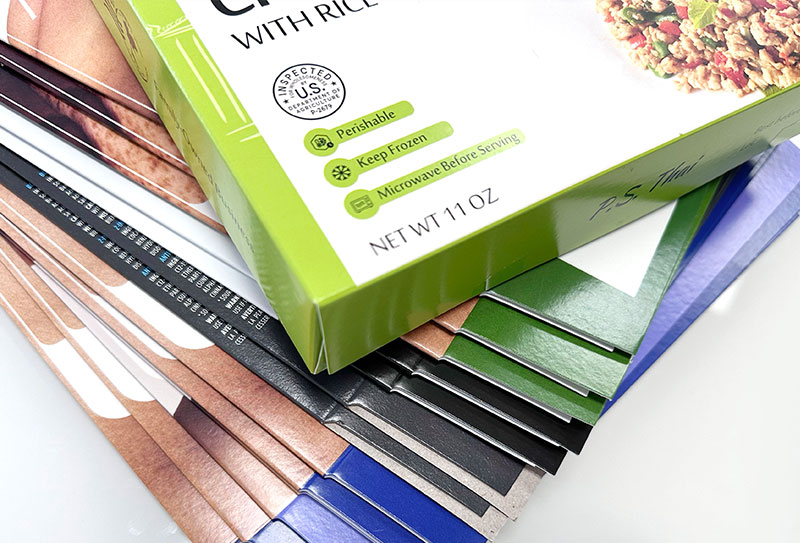
A pharmaceutical folding carton is a printed paperboard package used around products such as blister packs, bottles, tubes, vials, devices or inserts. It may provide product identification, dosage and warning information, physical protection, tamper evidence, serialization or coding space and a surface for approved branding.
The carton is one component of the complete pharmaceutical packaging system. Product stability and primary-container compatibility are separate considerations that must be addressed by the responsible drug manufacturer, packager or regulatory team.
Information to define before structural design
Product and pack configuration
- Primary container type and dimensions
- Product count, weight and orientation
- Leaflet, insert or instruction requirements
- Manual or automated cartoning process
- Tamper-evident and opening features
- Shipping and storage conditions
Label and production controls
- Approved master copy and languages
- DIN or other required product identifiers
- Lot, expiry and variable-data areas
- Barcode or machine-readable code specifications
- Colour standards and inspection criteria
- Artwork version and change-control ownership
Pharmaceutical carton specification checklist
| Control area | Information to provide | Production significance |
|---|---|---|
| Structure | Finished dimensions, board grade, closure, insert retention and tamper features. | Controls product fit, machine performance, die cutting, folding and gluing. |
| Approved copy | Final regulatory text, product identity, strength, route, warnings and required languages. | Printed content must match the authorized master artwork. |
| Product identifiers | DIN, GTIN, barcode, internal item number and market-specific identifiers. | Requires suitable placement, contrast, quiet zones and verification criteria. |
| Variable coding | Lot, expiry, serial or date-code location and print technology. | Coding panels need suitable space, surface and contrast after carton forming. |
| Colour | Brand colours, product-family colour coding, approved standards and tolerances. | Consistent colour helps identification but must not replace text-based controls. |
| Inspection | Critical copy, defect categories, sampling, barcode grades and dimensional tolerances. | Defines what must be checked and documented during production. |
| Versions | Strengths, languages, markets, pack counts, revisions and obsolete artwork controls. | Reduces the risk of mix-ups between visually similar cartons. |
| Logistics | Case count, pallet pattern, storage, release and delivery requirements. | Protects cartons and maintains identification through distribution. |
Artwork, legibility and version control
- Use the approved production dieline. Structural changes can alter panel size, folds, glue areas and available label space.
- Control the master text. Copy should come from the authorized regulatory or quality source rather than being retyped during graphic production.
- Separate variable and static information. Define exactly which information is preprinted and which is added during packaging.
- Protect machine-readable codes. Barcodes and data carriers need appropriate size, contrast, quiet zones and placement away from folds or edges.
- Identify every version clearly. File names, item numbers, revision codes, strengths, languages and market destinations should align across systems.
- Remove obsolete materials. Superseded artwork and printed cartons require controlled disposition under the customer’s quality procedures.
Beneco’s artwork preparation guide explains production-file setup. The pharmaceutical company or authorized label owner remains responsible for the accuracy, completeness and regulatory approval of final copy.
Printed packaging materials and supplier controls
Health Canada’s drug-product GMP guidance gives particular attention to printed packaging materials and describes controls around specifications, receipt, examination or testing, vendor qualification and notification of changes or significant deviations.
Packaging buyers should therefore define technical specifications, approval responsibilities, certificates or inspection documents, deviation communication, retained records and change-control expectations before ordering. Requirements may differ depending on the drug, market, facility licence, packaging operation and quality agreement.
Beneco is a folding-carton manufacturer, not the party that authorizes a drug or approves its regulatory label. Customer quality and regulatory teams must confirm that the final carton, copy and packaging process meet the applicable marketing authorization and GMP requirements.
Colour and print-quality considerations
Pharmaceutical product families often use colour to help distinguish strengths, forms or markets. Colour should be controlled through agreed standards and measurement, while critical identification remains supported by clear text and approved layout.
Beneco publishes information about G7 print capability, SGS & Co colour-management requirements and its quality-control program. Buyers should specify the required colour target, acceptable tolerance, proofing method and production inspection criteria for each project.
Common risks to address early
- Similar artwork across different strengths or pack counts
- Uncontrolled copy changes late in prepress
- Insufficient space for bilingual or market-specific information
- Barcodes positioned across folds, edges or low-contrast graphics
- Variable-code panels with unsuitable coating or surface
- Tamper features that conflict with automated cartoning
- Obsolete printed components remaining after a revision
- Unclear approval, deviation and change-notification responsibilities
Preparing a pharmaceutical carton quotation
Provide the final carton dimensions, primary-container sample or drawing, desired board, structure, approved or draft artwork, number of versions, print and coating requirements, inspection criteria, quantity, delivery destination and target date.
For general commercial considerations, review the folding-carton cost guide and lead-time and ordering guide. Final pricing, documentation and scheduling are confirmed against the project specification.
Official reference resources
Discuss your pharmaceutical carton project
Share the structural specification, approved copy status, versions, coding requirements, print criteria, quantity and delivery destination for review.