


Fat Cat Cookie Co.
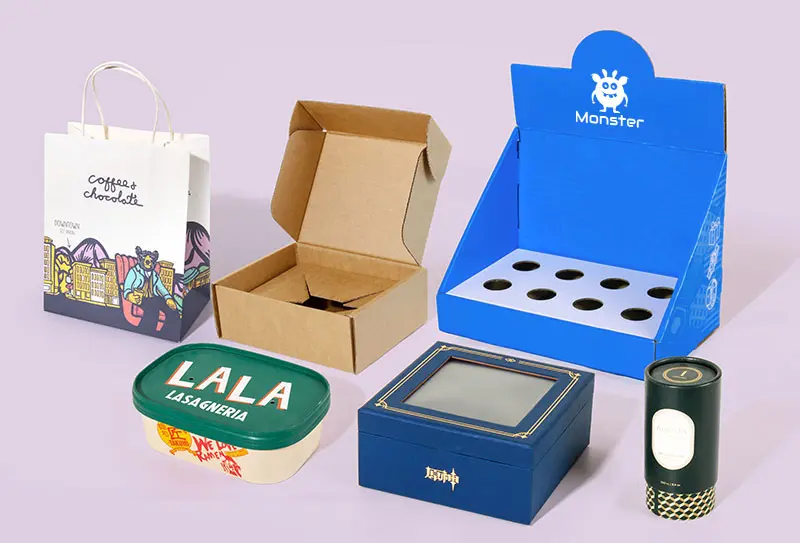
Bakery carry packaging and brand consistency across a handled carton and paper bag.
Food folding cartons must support product protection, production efficiency, clear labelling and brand presentation while matching the package’s intended use. This guide helps food brands prepare the structural, material, artwork and documentation decisions needed for a custom carton project.
Short answer: A food carton specification should define whether the carton has direct or indirect food contact, the food type, barriers or inner packaging, storage conditions, filling process, regulatory copy, material documentation and distribution environment. Suitability must be confirmed for the complete material, ink, coating, adhesive and intended-use combination.
A food folding carton is a paperboard package that is printed, die cut, creased, folded and glued for a specific product. It may function as the primary package, a secondary carton around an inner bag or tray, or a multipack used for retail presentation.
Common applications include dry foods, frozen products, prepared-food cartons, confectionery, bakery items, beverage multipacks and other consumer food products. The correct structure depends on the food, filling method, temperature, moisture, grease exposure, shelf life, transport and whether another package separates the carton from the product.
“Food packaging” is not one universal material claim. A carton suitable for one dry, indirectly contacted product may not be suitable for a different food, temperature, coating or direct-contact condition. Confirm the exact intended use before production.
| Decision area | Information to provide | Why it matters |
|---|---|---|
| Food product | Food type, physical form, fat or moisture exposure and sensitivity. | Helps determine protection, barriers and material suitability. |
| Contact type | Direct contact, indirect contact or separation by a liner, tray, bag or wrap. | Changes the material and documentation requirements that must be reviewed. |
| Temperature | Filling, freezing, refrigeration, reheating and ambient-storage conditions. | Temperature and condensation can affect paperboard, coatings, adhesives and carton performance. |
| Carton structure | Dimensions, product weight, closure, windows, inserts and tamper-evident needs. | Determines product fit, board use, converting and packing efficiency. |
| Artwork | Dieline, languages, Nutrition Facts, ingredients, allergens, claims, lot/date coding and barcodes. | Mandatory information must fit the available display surfaces and remain legible. |
| Materials | Paperboard, recycled content, sourcing requirements, inks, coatings and adhesives. | The complete combination must suit the intended use and production method. |
| Distribution | Inner count, shipping case, pallet pattern, humidity, cold chain and handling. | Retail cartons are part of a larger packaging system that must survive distribution. |
| Documentation | Required supplier declarations, certification scope and customer specifications. | Supports the food business’s supplier approval and preventive-control records. |
Paperboard selection should balance stiffness, print surface, converting performance, product protection and any sourcing or recycled-content requirements. When a food-contact claim is required, the review must include every relevant component—not only the paperboard.
Inks, varnishes, coatings, adhesives and window materials may have different use limitations. Their suitability can depend on whether they contact food, the presence of a functional barrier, food type, temperature and duration of contact. Packaging buyers should define these conditions and request the appropriate supporting documentation from suppliers.
Use Beneco’s artwork preparation guide for file setup and technical review. The food brand remains responsible for approving regulatory copy, claims and final artwork.
Beneco publicly lists IFS PACsecure and HACCP certification among its food-safety and compliance programs. Buyers should verify the current certificate, facility, scope and validity period against the specific project.
A facility-level certification does not automatically establish that every carton is suitable for every food-contact application. Product-specific confirmation still depends on the selected paperboard, inks, coatings, adhesives, barriers and intended use.
Canadian food businesses are responsible for ensuring packaging materials are safe and suitable for their intended use and for meeting applicable requirements. Official guidance describes several forms of supporting evidence that may be relevant, including supplier or manufacturer documentation and, for certain situations, Health Canada review.
The appropriate evidence depends on the material and use. Packaging for infant formula or use in a novel process can have different pre-market requirements. Regulatory and technical specialists should review unusual or higher-risk applications before commercial production.
Review the folding-carton cost guide for pricing factors and the lead-time guide for the stages between specification and delivery.
See how finished packages respond to different product and retail requirements:
Bakery carry packaging and brand consistency across a handled carton and paper bag.
Windowed folding cartons and multi-SKU flavour differentiation.
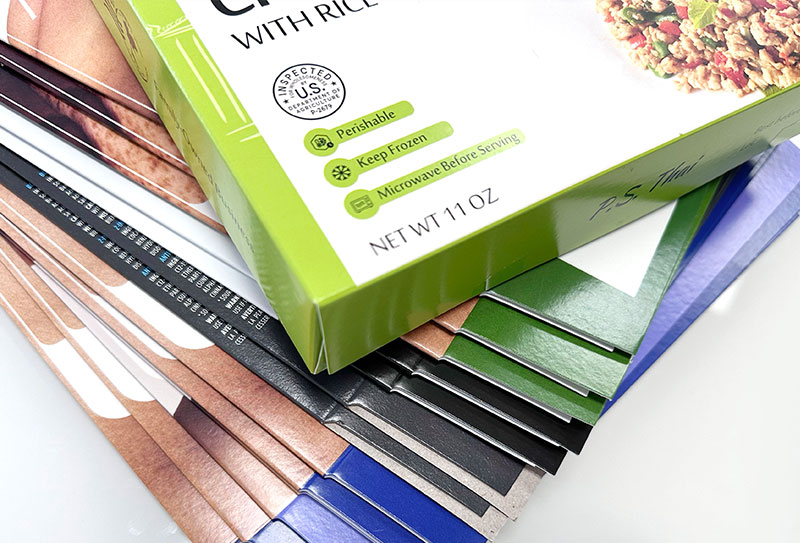
Frozen-food multipack organization and front-panel information hierarchy.
Explore Beneco’s documented packaging problem-and-response analyses.
Share the product, contact conditions, carton dimensions, material requirements, artwork, quantity and delivery destination for a project-specific review.