
Food brands are constantly under pressure. Consumers want high-quality packaging. Supply chains prefer packaging that protects food during transit. Regulators demand packaging that keeps food from spoiling and does not harm the environment.
This means brands inevitably take much time and effort to decide on the right packaging structure for their products. A wrong choice can shorten shelf life or lead to more waste, both of which will not appeal to buyers.
If you want to choose proper packaging for your business’ food products, consider the following factors.
1. What Does Your Food Need?
Do you produce dry, frozen, cooked, or raw food? This question should form the basis of your initial choices.
- Food with high water content requires oxygen and moisture barriers.
- Dry foods need protection from humidity to prevent them from becoming rancid.
- Perishables like meat and fresh produce must be packaged in breathable or modified atmosphere packaging.
It is also important to assess the temperature, light exposure, and mechanical stress that might affect food during transport. The packaging you choose must be strong enough not to tear or collapse.
2. Barriers and Layers
Most packaging uses layers or laminates to keep food protected. So, you need to first figure out which types of gases, moisture, or light your food is sensitive to before choosing layer structures. The structures you choose should provide complete protection against these elements. These days, you have several options for newer mono-material packaging if you want to balance protection with recyclability.
3. Sustainability and Regulations
In 2025, consumer demand and U.S. regulations skew towards recyclable, reusable, and compostable packaging. For instance, many jurisdictions are phasing out or have already phased out single-use polystyrene foam food containers.
When choosing packaging, you must ensure that all the layers and adhesives comply with specific regulations; in particular, food contact regulations (FDA). If you do not comply, you risk having your food recalled.
Also, keep in mind that 46% of U.S. consumers buy products because of sustainable packaging. In most cases, you should be able to use fewer and simpler layers or mono-materials to satisfy demand. But, no matter what you choose, the packaging must be strong enough. It must also provide an adequate barrier while keeping food safe.
4. Packaging Form and Convenience
Consumers want packaging that does more than protect their food. They are also after stand-out form and convenience. This means the shape of your food packaging must draw attention while suiting the product inside.
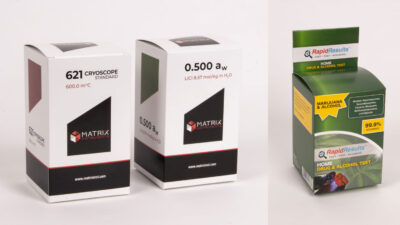
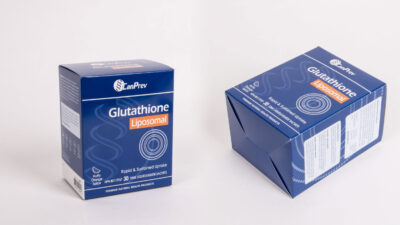
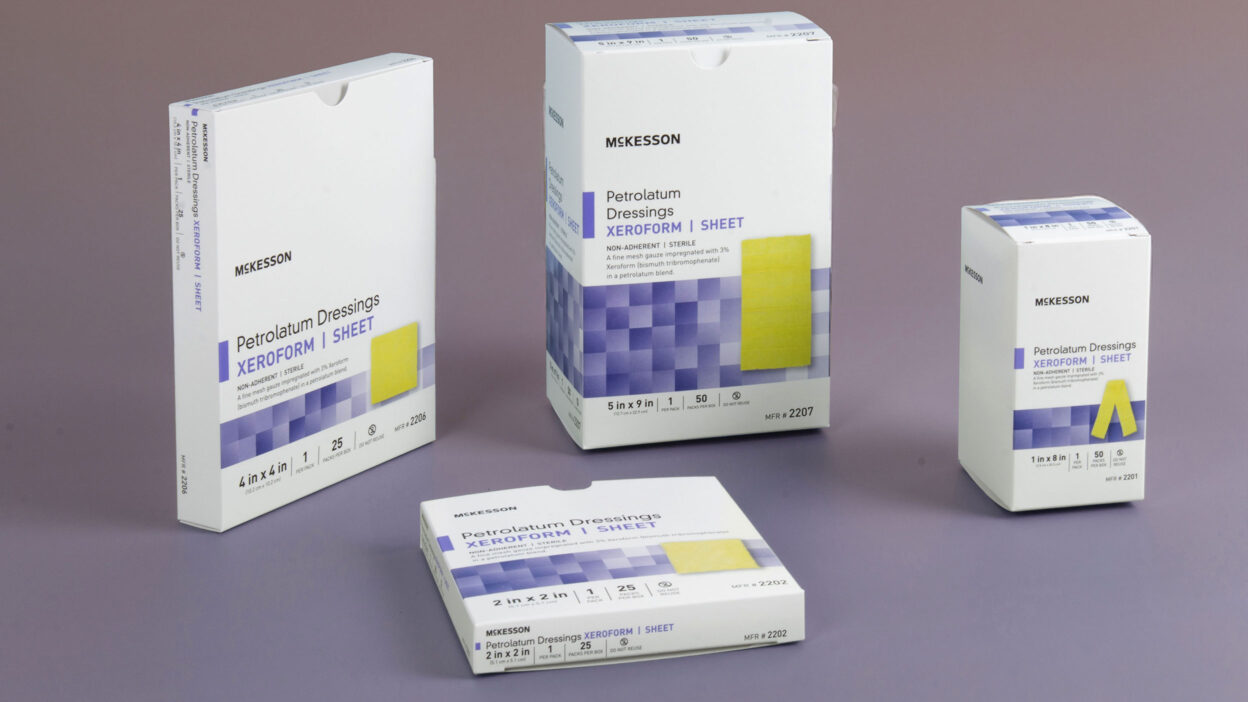
There are several options to consider, including stand-up pouches, tubs, trays, and cartons. Consumers tend to prefer packaging that can be resealed or has easy-to-open features. At the same time, there must be enough space on the packaging for brand labels and nutrition guides.
5. Cost and Manufacturing
Ideally, you want to balance the performance of your food packaging against the cost. Laminates and smart features can become very expensive. You must also determine whether the manufacturer of your packaging can handle the structure you want.
If you need multilayer films, the manufacturer may require special machines, which could increase your set-up expenses.
Choosing the Best Packaging Structure in 2025
In 2025, technology continues to improve in terms of food packaging. You can have freshness indicators and even electronics added to your packages. Still, you must consider what your customers and your products need.
It is always going to be a balance between protection, compliance, sustainability, appeal, and cost. Sustainability is especially important if you consider that a significant number of consumers say they would buy from brands that offer eco-friendly packaging and even pay more for it.
If you get this balance right, you will likely experience a payoff in consumer trust, extended shelf life, and waste reduction
Elevate Your Brand Packaging
Craft packaging that makes your products shine
Get started today!