

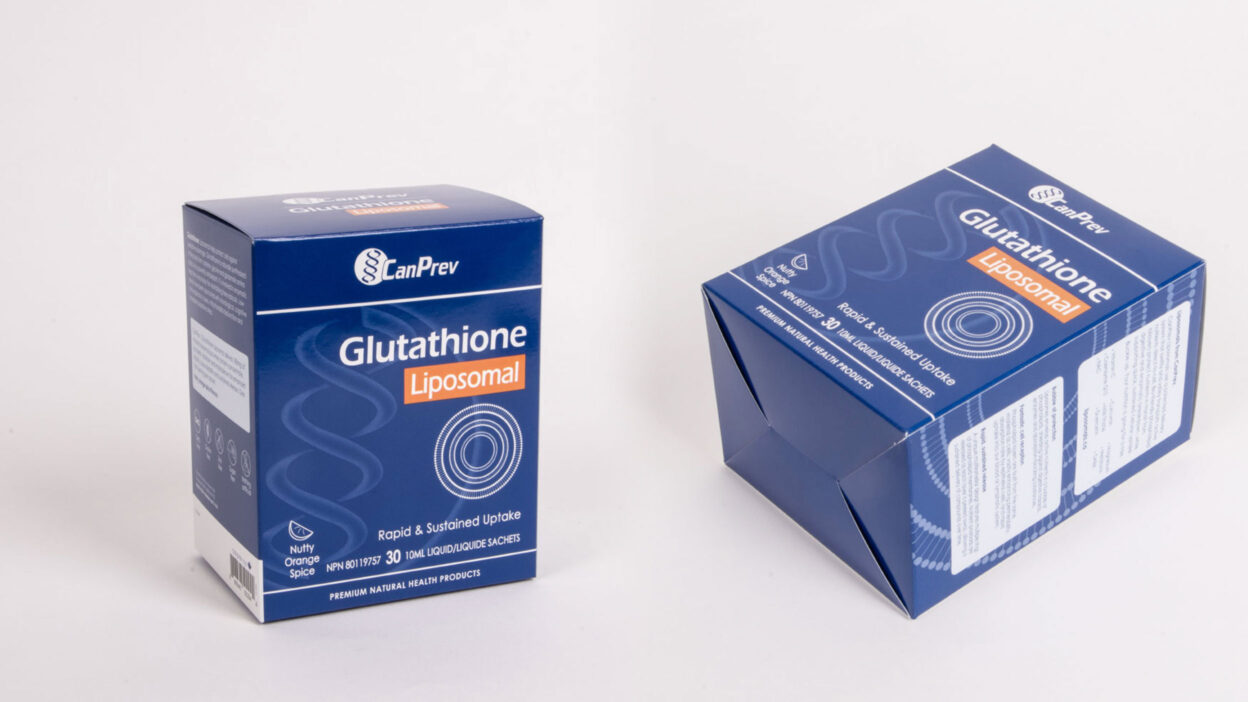
When it comes to product packaging compliance, it doesn’t get stricter than pharmaceutical products. Everything from product labels to packaging materials and design is heavily scrutinized to ensure the safety, efficacy, and integrity of the medications inside.
These regulations vary by country and region, so at times, manufacturers have to create unique packaging for various areas. The added packaging costs trickle down to the final cost of the products, making them less competitive.
That said, a few similarities can be drawn across the various jurisdictions – similarities that, if well-applied, could help businesses come up with universal packaging designs that cut costs without negatively impacting their compliance. They include the following:
Tamper-Evident Packaging
Pharmaceutical products are some of the most contaminant-sensitive products available. Any foreign substances, like moisture, chemicals, or germs, can make medications not work properly or even unsafe to take.
Therefore, manufacturers must strive to incorporate tamper-evident features in their packaging to detect any unauthorized access. Some of the most commonly used indicators include: temper-evident labels that display the word ‘void’ if ripped apart, blister packs, and vacuum seals.
Anti-Counterfeiting Technologies
According to a WHO report, 1 in 10 medications in low- and middle-income countries are substandard or falsified. This is not only dangerous for the consumer, but it could also hurt your business’ reputation if your products are found to be counterfeit.
In a bid to curb this, players in the pharmaceutical packaging industry have incorporated advanced anti-counterfeiting technologies like barcodes, RFID tags, holograms, and other features to help authenticate products.
Serialization and Track-and-Trace
Protecting pharmaceutical products isn’t just about adding anti-counterfeit features. You also need to be able to track each product as it moves through the supply chain. Tracking helps you keep better control, quickly spot fake products, and recall medicines if there’s a problem. It also improves safety and helps you meet legal and regulatory requirements.
Child-Resistant Packaging
While a ‘not safe for children’ tag might suffice in some jurisdictions, some countries and regions require you to go a step further by incorporating child-resistant features into packaging design. These features are meant to make it nearly impossible for children to access the contents of the package, thereby keeping them safe.
Quality Assurance and Testing
The packaging utilized in pharmaceutical products must be rigorously tested to ensure it meets the required standards. This includes everything from testing for compatibility and durability to ensuring the packaging adheres to specific quality parameters. These practices ensure compliance and instill confidence in the reliability of the packaging.
Documentation and Labeling
Nearly every country requires pharmaceutical companies to provide comprehensive and accurate documentation to ensure regulatory compliance. This also applies to product packaging. Clear, informative labels help users understand how to use the medication correctly and recognize any potential risks associated with the medication. Documenting every package also helps streamline inspections and audits.
Conclusion
Compliance in the pharmaceutical packaging industry is non-negotiable. Every regulation is put in place to ensure the safety and efficacy of the medications. Any breach of these regulations could attract hefty penalties, including fines, license revocation, and even legal action.
As such, companies operating in the sector must adopt a multifaceted approach to meet the evolving regulations. By prioritizing these measures, businesses not only ensure compliance but also safeguard the well-being of their consumers.
Elevate Your Brand Packaging
Craft packaging that makes your products shine
Get started today!