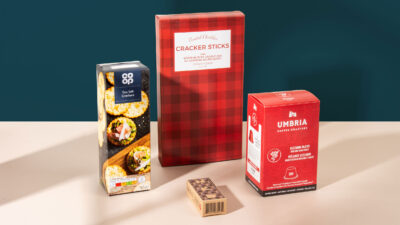

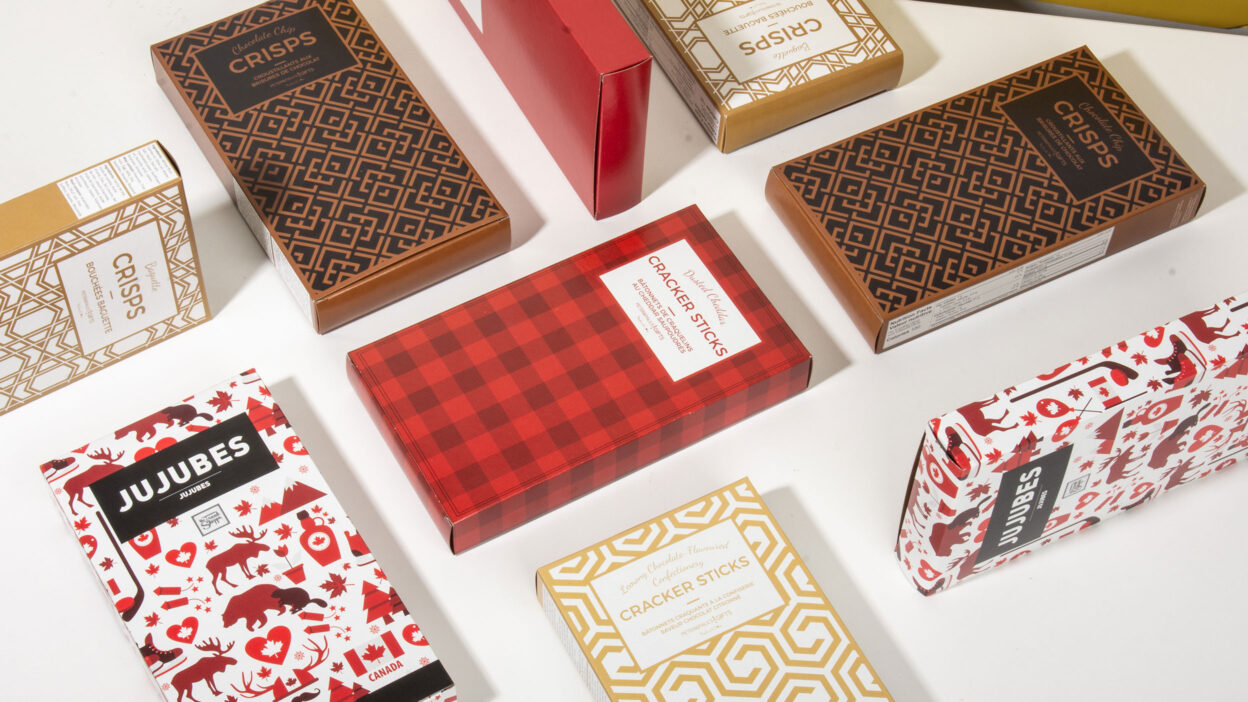
When people think of minimalist food packaging, they picture clean lines and white space. But in 2025 and beyond, minimalist food packaging goes far beyond clean designs and trends.
For brands, minimalist, clean packaging is the answer to practical and regulatory problems. With fewer graphics and clearer labels, minimalist packaging meets regulatory and consumer needs. This is especially true for packaging that uses fewer materials. In fact, this type of packaging is easily recognizable on shelves, reduces waste, and increases recycling.
Consumers Demand Simple and Practical Packaging
Brands consider their target market first when designing food packaging. Shoppers in 2025 want packaging with clear instructions and information. They want limited color palettes and clean layouts to help them make faster decisions on the spot.
However, they also demand sustainability. According to PwC’s 2024 Global Consumer Insights Survey, consumers are willing to pay 9.7% more for sustainably sourced products. This means that packaging with fewer visible materials can influence whether a consumer buys a product. The same applies to packaging with labels highlighting sustainable processes.
Minimalist packaging can also reduce consumer skepticism. When packaging is overdesigned with several big claims on large labels, it may raise more than eyebrows. Shoppers may believe the brand is greenwashing. Even worse, they may be confused about what the brand is actually selling.
In contrast, a simple design with clear, factual labelling makes it more likely that consumers will trust a brand.
Regulators Want Clear and Reduced Packaging
Most governments prefer simplicity in packaging. In many regions, updated packaging regulations focus on several elements. These include waste reduction and recyclability. Regulations also center on clear labelling.
The European Union’s Packaging and Packaging Waste Regulation aims to reduce use of materials and increase recyclability. In fact, it requires that all packaging be recyclable by 2030, as well as demands standardized consumer instructions. These rules motivate brands to use fewer unnecessary layers or mixed materials. They also help avoid packaging elements that complicate recycling.
Minimalist packaging aligns with these guidelines and requirements. Therefore, brands that use simpler structures and fewer materials reduce their risk of non-compliance. They are already aligned, should regulations be tightened in the future.
Environmental and Supply Chain Benefits
A minimalist packaging approach also benefits the environment. Generally speaking, this type of food packaging uses few coatings and inks. It also requires fewer components, reducing resource use and emissions from production. Simpler packaging formats also directly affect transport and storage efficiency. They allow more units per pallet, reducing fuel use.
These advantages are evident in the packaging market’s performance. A 2025 McKinsey analysis found that products with sustainability-related claims grew at a higher cumulative rate of 28% over a five-year period. Packaging alone cannot drive this growth, but reduced-impact packaging supports overall sustainability strategies. And, it is these strategies that consumers reward.
Minimalism Is a Practical Standard for Food Packaging
Minimalist food packaging has long since ceased to be a design trend. Consumers are no longer interested solely in how packaging holds a product or attracts attention. They want to see what it communicates and how many resources it needs.
To reduce friction between brands and consumers, simplicity must be at the forefront. As such, the food industry will always have to do more with less, and minimalist packaging helps it do just that.
Elevate Your Brand Packaging
Craft packaging that makes your products shine
Get started today!