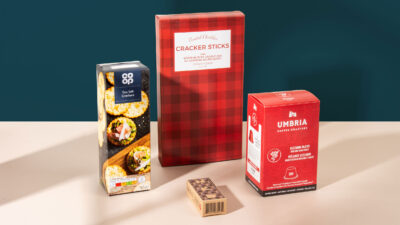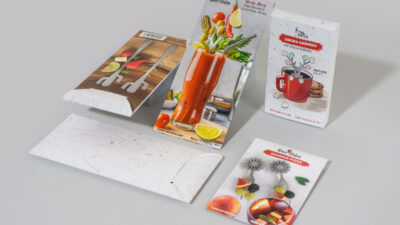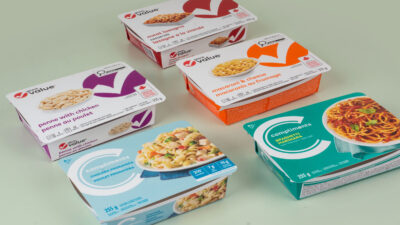

When customers see a product on a shelf, their eyes rarely go to the brand name or logo. Instead, they look at the packaging first. Packaging does many jobs, which include making a product instantly recognizable. Even more importantly, packaging protects products and communicates how the product should be handled. The color, texture, and structure of packaging also influence how customers perceive the product’s quality.
Color Is the Quickest Visual Signal
Packaging color is the first thing customers look at. Color helps a product stand out from competitors. Color can even motivate a shopper to buy a product before reading any information on the packaging. This is because colors carry meaning for customers. For instance, green equals health or nature, while blue may signal trust.
Research shows that 62% of people associate green packaging with sustainability and health. Furthermore, consumers make judgments about a brand or product within 90 seconds, and up to 90% of those judgments are based on color.
This indicates that color can attract attention while guiding expectations. For example, warm colors such as red and orange can make food products appear more appetizing. Cool tones like blue can suggest freshness or calm. A first impression like this is invaluable for a brand that aims to promote a product’s quality and purpose.
Texture Can Influence Consumer Perception
Texture is another critical part of packaging quality. Soft, smooth materials automatically feel luxurious. Rough or recycled paper makes people assume it is sustainable. Texture is a tactile element that influences how consumers view a product’s quality. This process is due to touch, adding another layer of sensory experience.
Industry data show that 72% of consumers believe the packaging’s design, including texture, influences their perception of product quality before opening. As such, brands put a lot of thought and effort into packaging with embossing, matte coatings, and laminates. They also ensure that surfaces are sturdy enough for fragile products.
Structure Must Allow Form and Function
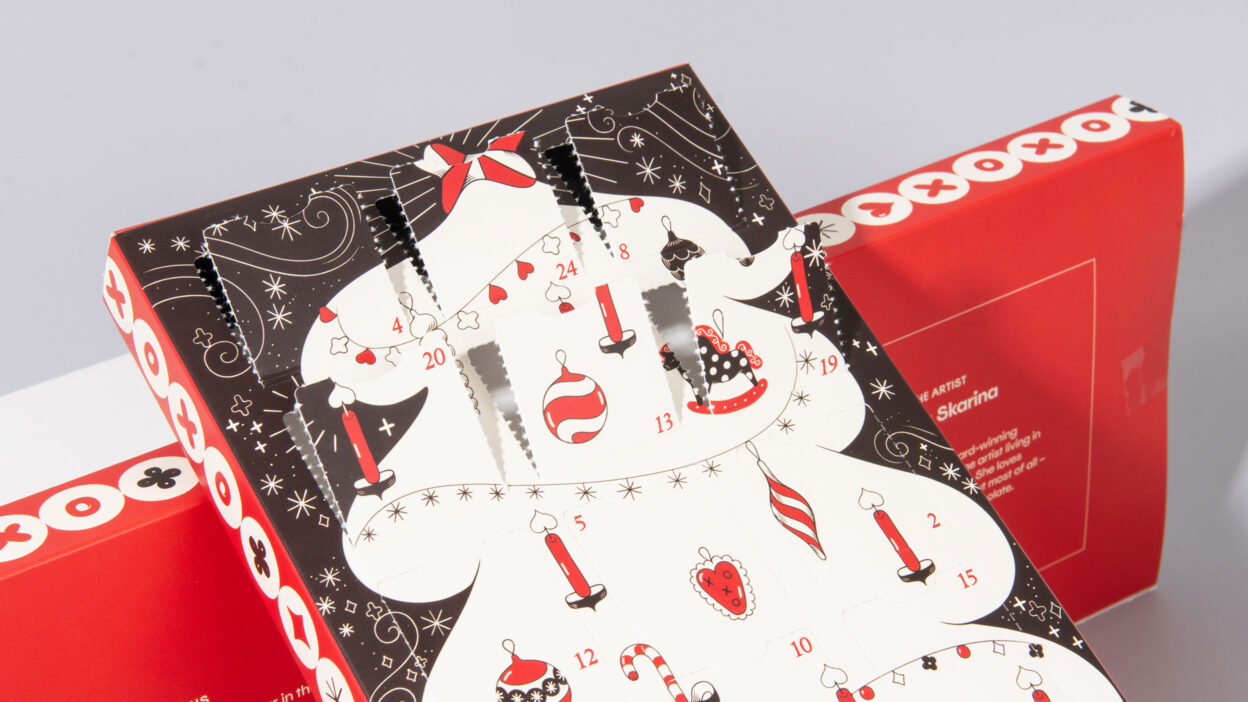
The packaging structure refers to the physical design of the packaging. Packaging must be well-structured to protect products while making it easy for consumers to open. Resealable bags are a good example of structure. They are convenient, simple to open, and useful.
Structure also speaks to perceived quality. Packaging that feels solid is automatically assumed to be of a higher quality. By default, consumers will attribute the high quality to the product inside. In a retail setting, packaging structure can improve a product’s shelf presence. This means consumers will find the products easier to use and handle without awkwardness.
In addition, the structure supports sustainability. Packaging designs that use less material can reduce waste, all while still protecting products. Consumers interested in eco-friendly packaging will gravitate toward it.
Why These Elements Will Continue to Matter
Color, texture, and structure will continue to work as one to help create a perception in the minds of consumers. Brands that want to make a strong first impression (or ongoing impression) must use color to grab attention and texture to add product depth. They must also focus on improving packaging structure to ensure the product feels reliable and easy to use. These efforts will improve the experience for shoppers while improving a brand’s bottom line.
Elevate Your Brand Packaging
Craft packaging that makes your products shine
Get started today!