
Packaging has shifted from wrapping and protecting to branding and sustainability, a shift that is especially evident in 2026. Companies have no choice but to tailor their product packaging to specific needs, whether they are customer preferences or product requirements.
It does not matter what industry a company operates in. It could be in food, beverages, pharmaceuticals, or electronics. Regardless, the team must understand how packaging impacts their product. In addition, they must be fully equipped about how to use packaging to meet demand efficiently and responsibly.
Food and Beverage Industry
Packaging used in the food and beverage industry must preserve freshness. It must also comply with food safety standards. Moreover, it must appeal to a target consumer base.
Many businesses are turning to sustainable options that combine recycling with freshness and safety. It is no surprise, since more than half of U.S. consumers have deliberately chosen products with sustainable packaging in recent months.
It is also critical for food and beverage packaging to be functional. In most instances, this means moisture and oxygen barriers, longer shelf life, and safe transport.
Food packaging includes compostable materials, resealable options, and secondary packaging that is lightweight. Also, considering the rise in e-commerce and meal-kit trends, shipping-friendly packaging design matters.
Pharmaceutical and Healthcare Industry
Adhering to strict regulations when it comes to packaging is non-negotiable in the pharmaceutical and healthcare sector. Products and packaging must be traceable and sterile. Sensitive products must be properly protected. Packaging in these industries is markedly different from consumer goods packaging.
It is common to see tamper-evident seals and serialized tracking. There is also an abundance of blister packs (for medications) and cold-chain materials. This sector is not removed from the sustainability push, but safety and regulatory compliance are still top of the requirements.
Moreover, patients expect transparency from healthcare products and their packaging. So packaging design typically includes smart labels and QR codes. It also includes child safety features.
Industrial and Heavy Goods
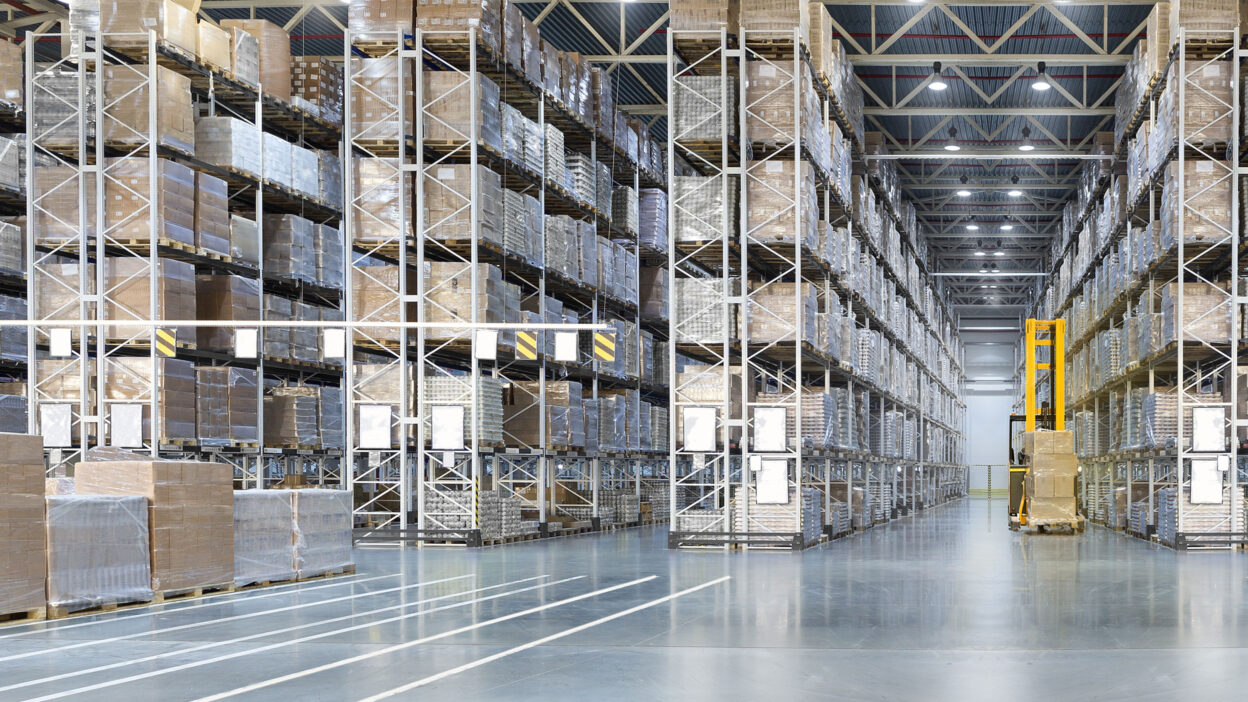
Proper packaging is also required in the industrial sector. It is used to cover machinery parts and chemicals. Even large mechanical components and bulk goods require the right packaging.
The main goal for this type of packaging is protection, durability, and cost control. Materials usually consist of corrugated board, heavy-duty plastics, drums, crates, and pallets.
These materials must be flexible enough to cover all types of parts and products. It is no wonder then that the flexible packaging segment in the U.S. alone had sales of around $41.5 billion already in 2022 and was estimated to increase to $42.9 billion in 2023.
Consumer Goods and Retail
For retail products, packaging sells the brand as much as it protects its products. Packaging must grab attention from the shelf or online catalog. Otherwise, the product gets lost among those of competitors. In 2026, electronics, personal care, and home goods all heavily rely on creative designs.
The U.S. packaging market was valued at nearly $107.6 billion in 2024. This packaging market includes consumer goods packaging that appeals to large audiences. If a brand wants to make an impact, its packaging must include sustainable, easy-to-use options. It should also create an unforgettable unboxing experience.
Packaging Is Smarter in 2026
No matter the industry, brands must be responsible with their packaging moving forward. Packaging should not only be lighter and more sustainable, but smarter overall. As technology evolves, packaging will keep changing, too. So, for businesses, it means making packaging a part of business strategy and not treating it as an afterthought.
Elevate Your Brand Packaging
Craft packaging that makes your products shine
Get started today!