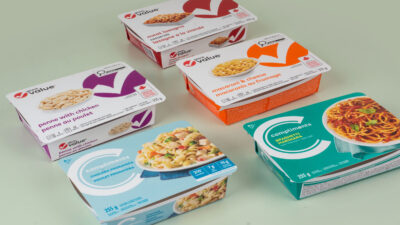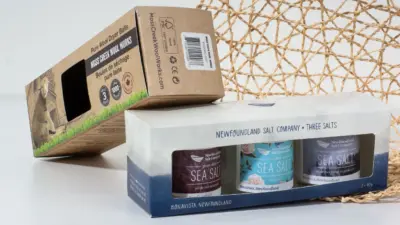


Packaging costs continue to climb in the U.S. in 2025, in large part due to tariffs. This means manufacturers and businesses face increasing pressure to lower packaging expenses, and they must do so without sacrificing value or quality.
Packaging in 2025, as demanded by customers, must protect goods while communicating valuable information. It must also relay the brand’s message.
With smart strategies, a business can fulfil these requirements while keeping costs reasonable.
Where Do Packaging Costs Come From
Businesses must know what raises their packaging costs. It is more than just specific materials. Shipping, handling, labor, waste, and returns all contribute to costs. It is estimated that manufacturers spend more than $150 billion every year just on packaging. That equals 7 to 10 cents of every dollar spent on a product.
Still, when businesses cut costs, they cannot balance sustainability and cost savings. What needs to happen is better design and better overall packaging decisions.
1. Size and Design
One of the easier ways to lower costs is to match the packaging to the product and usage. Over-sized boxes and too many layers can increase material and shipping costs because of excess weight. Choosing lighter materials or simpler packaging structures can cut costs by 15-30% while still protecting products.
2. Simple Materials and Components
Complex materials with multiple substrates cost more. So, do high-end finishes or packaging with many components. Making things simpler can substantially reduce costs. Businesses can switch from multi-material laminates to mono-materials (if feasible). This can also reduce waste and lower costs.
3. Optimize Supply Chain and Purchasing
Reducing weight and simplifying materials is not the only way to cut costs. Businesses must find new ways to buy, store, and ship packaging materials. A strong supply chain can keep costs low without lowering quality.
Companies can buy in bulk, to begin with. It is also a good idea to negotiate longer-term contracts with suppliers, helping to secure lower unit prices. Most of the time, it is best to work with fewer but trusted suppliers.
Smarter inventory management can also help with costs. Overstocking ties up cash, leading to waste when packaging designs or product sizes change. The leaner the inventory system, the better.
Lastly, automation is also a good strategy. Automated packing machines and conveyor systems can cut down on labor costs. Industry research shows that packaging automation can increase production output by 50-75%. Automated weighing and sealing equipment also reduces errors and ensures consistent packaging. This helps decrease instances of returns, which also lowers costs.
4. Testing and Standards
The focal point of reducing packaging costs, as stated, must be to protect products and maintain the customer experience. Brands should perform drop tests and integrity tests to ensure quality. It is also important to conduct environmental stress tests to ensure the packaging still meets performance requirements.
Lowering Packaging Costs Is Possible in 2025
Another approach is to add a sustainability strategy. Using recycled content along with mono-materials can spare the environment while lowering costs. Overall, lowering packaging costs is not impossible, but it does require thorough planning, better purchasing decisions, and a strong commitment to success.
Elevate Your Brand Packaging
Craft packaging that makes your products shine
Get started today!