
eWhen you’re planning a packaging order, lead time can affect much more than the delivery date.
A delay in packaging can impact production schedules, inventory planning, product launches and ultimately when your product reaches the market. For procurement and operations teams, understanding what goes into manufacturing lead time can make planning easier — and help prevent delays before they happen.
But what exactly is manufacturing lead time, and what can you do to reduce it?
What Is Manufacturing Lead Time?
Manufacturing lead time is the time required to produce an order once it is ready to move through the manufacturing process.
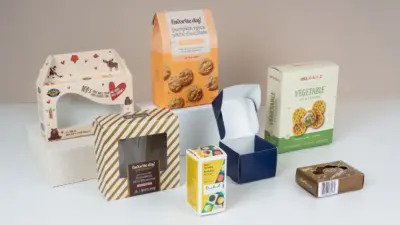
For folding cartons and other paperboard packaging, that process can involve several stages:
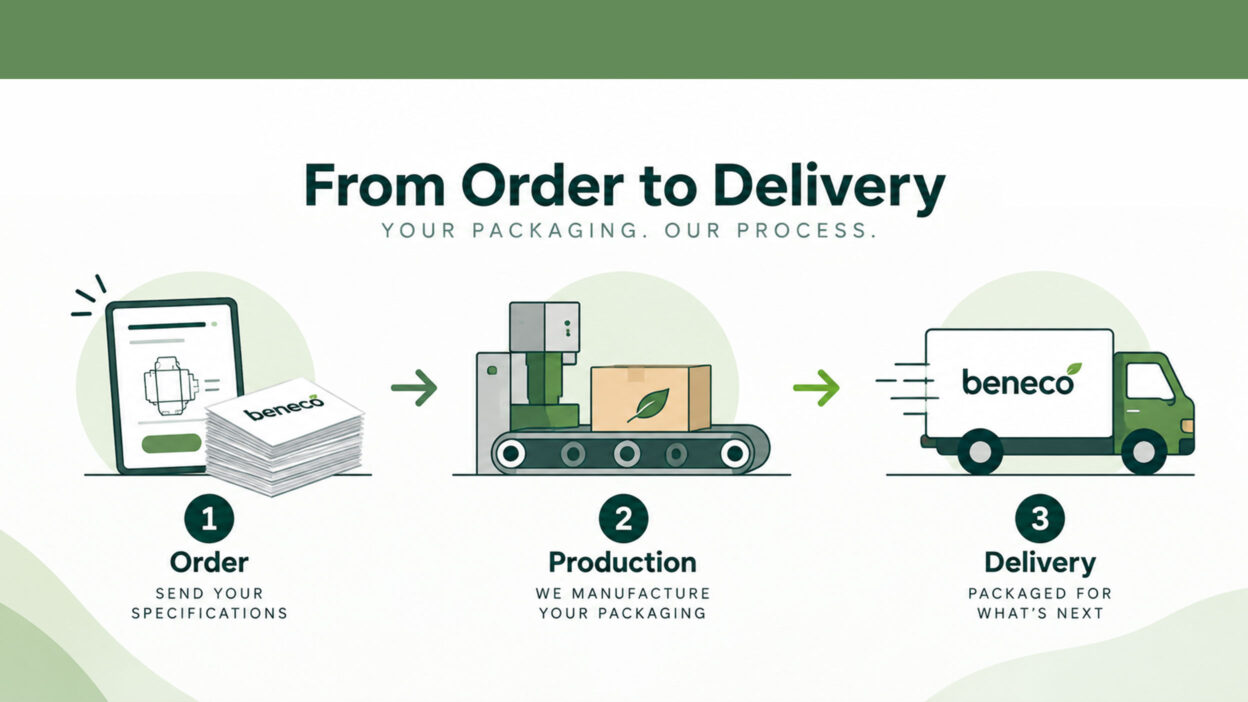
Order & Specifications → Materials → Printing → Die Cutting → Finishing & Gluing → Quality Control → Packing → Shipping
Each stage depends on the one before it.
That’s why lead time isn’t simply a question of how quickly a printing press can run. Material availability, artwork approval, production scheduling and finishing requirements can all affect when an order is completed.
What Affects Manufacturing Lead Time?
Material Availability
The right paperboard needs to be available before production can begin.
Different packaging applications may require specific paperboard grades, thicknesses or other material characteristics. If the required material needs to be sourced, it can add time before the order reaches production.
For repeat packaging programs, forecasting requirements earlier can give manufacturers more time to plan material availability.
Artwork and Specification Approval
A production schedule can only move forward when the packaging specifications are clear.
Dimensions, structural design, artwork, colours, coatings and finishing requirements may all need to be confirmed before manufacturing begins.
Late artwork changes or repeated revisions can therefore affect the overall timeline.
Providing complete information and approving specifications early can eliminate unnecessary waiting between order confirmation and production.
Packaging Complexity
Not every carton follows the same manufacturing path.
A straightforward folding carton may require fewer production stages, while packaging with windows, specialty structures or additional finishing can require more.
Understanding those requirements early allows the manufacturer to schedule the appropriate processes and provide a more realistic lead time.
Production Capacity
Capacity is not only about printing speed.
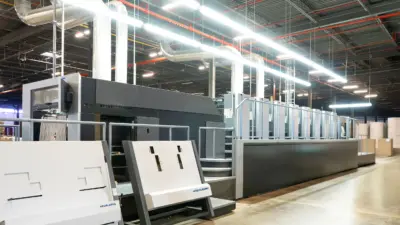
After printing, an order may still need to move through die cutting, windowing, gluing, inspection and packing.
When these processes are well coordinated, production can move more efficiently from one stage to the next. When they depend on multiple external suppliers or production locations, additional handoffs can introduce more variables into the schedule.
Supply Chain and Transportation
Where your packaging is manufactured matters too.
Long-distance sourcing can add transportation time and expose packaging programs to additional logistics and supply-chain variables.
For Canadian businesses, working with a local packaging manufacturer can simplify communication and reduce the distance between production and delivery.
How Can You Reduce Manufacturing Lead Time?
The most effective way to reduce lead time isn’t necessarily to make every machine run faster.
It’s to remove avoidable delays throughout the process.

Plan ahead when possible.
Sharing forecasts and upcoming packaging requirements can help manufacturers prepare materials and allocate production capacity earlier.

Finalize artwork and specifications early.
Clear information at the beginning of a project reduces back-and-forth and allows the order to move into production sooner.

Consider material availability during planning.
Discussing paperboard requirements early can help identify potential supply issues before they affect the production schedule.

Improve forecasting for repeat orders.
If a packaging program runs regularly, better visibility into future demand can make both material and production planning more predictable.

Work with an integrated manufacturer.
Keeping key manufacturing processes under one operation can reduce unnecessary handoffs and provide greater visibility over the production schedule.
Consider local production.
A shorter supply chain can reduce transportation complexity and make it easier to respond when schedules or demand change.
Faster Isn’t the Only Goal — Predictability Matters
When businesses talk about reducing lead time, the focus is often on speed.
But for packaging buyers, predictability can be just as important.
Knowing when packaging will be ready allows production, inventory and logistics teams to coordinate more effectively. A reliable three-week schedule, for example, can be more valuable than an aggressive estimate that frequently changes.
At Beneco Packaging, our typical lead time is approximately three weeks, depending on paperboard availability and individual order requirements.
With local Canadian manufacturing and multiple production processes managed in-house, our focus is on reducing unnecessary delays while maintaining the quality and consistency customers expect from their packaging.
Because when packaging is part of a larger production schedule, reducing lead time isn’t simply about working faster.
It’s about making the entire process more predictable.
Elevate Your Brand Packaging
Craft packaging that makes your products shine
Get started today!