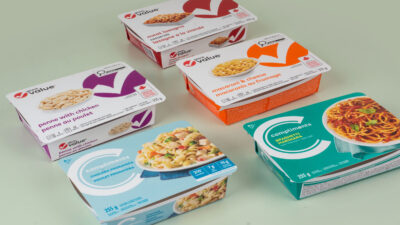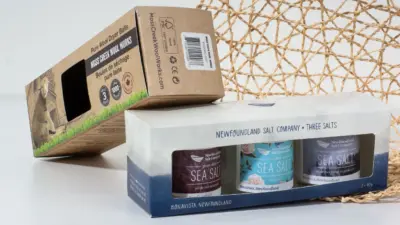


Packaging decisions for businesses in 2026 should help control costs and reduce waste. Driving these decisions for most businesses are rising material prices, environmental regulations, and transport costs. At the same time, business owners must consider what their customers expect. For most customers, packaging that generates less waste and is easier to recycle should be standard. These ongoing pressures have inevitably led to practical changes in design, materials, and systems that businesses can use going forward.
Designing With Less Material
One of the most effective ways to reduce waste is to use less material from the get-go. Lightweight, minimalist packaging designs remove layers, inserts, and oversized boxes from the outset. This approach reduces raw material use and cuts transport weight.
Moreover, when packaging is sized correctly, it improves shipping efficiency. Packaging should fit products tightly so that shipping companies can load more units per pallet and per trip, reducing fuel use. According to the U.S. Environmental Protection Agency, source reduction and lightweighting are some of the most effective strategies for reducing packaging waste at scale.
Mono-Material Packaging and Effective Recycling
Packaging manufactured from a single material type is easier and cheaper to recycle. Multi-layer packaging often ends up in a landfill because most recycling systems cannot separate the materials. Mono-material designs, like paper-based packaging or single-resin plastics, can simplify recycling and reduce sorting costs.
This process also supports an increasing recovery rate. The World Economic Forum reported in 2022 that packaging designed for recycling plays a significant role in reducing waste leakage and improving the use of circular materials.
Reuse and Circular Packaging Systems
Reusable packaging systems continue to grow in importance across key sectors. These include logistics, food service, and industrial supply chains. Durable containers move back and forth between suppliers and customers. This reduces the need for single-use packaging. It is estimated that reuse models can significantly reduce packaging waste. It can also lower long-term costs, especially for high-volume distribution systems.
Waste and Cost Pressures Continue to Increase
Packaging waste continues to rise worldwide. Waste reduction has become both a financial and an environmental issue. The World Bank estimates that global waste generation will increase by 73% between 2020 and 2050 if the current trends continue. Packaging is a major contributor here. As waste-handling costs rise, inefficient packaging will become more expensive over time, affecting both businesses and consumers.
Smarter Packaging Choices in 2026
In 2026, digital options will reduce waste. QR codes on packaging provide clear recycling instructions and material information. This alone can help improve recycling sorting and reduce contamination in recycling streams. It is well known that better packaging design and consumer guidance can greatly improve recycling outcomes while reducing system costs.
The Bottom Line
Businesses that want to reduce waste and costs must focus on practical packaging design in 2026. They should also put more effort into reuse options and material efficiency. Lightweight structures are the way to go, as are mono-materials and circular systems. These can all lower material use, transport costs, and disposal fees. For most businesses, efficient packaging will no longer be an option in the years to come. Instead, it will be integral for managing costs and reducing environmental impact.
Elevate Your Brand Packaging
Craft packaging that makes your products shine
Get started today!