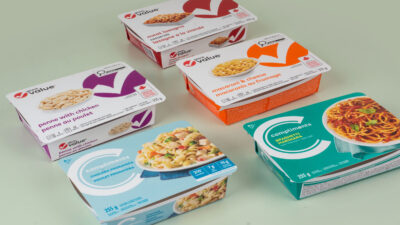


Packaging plays a massive role in a product’s environmental footprint. Packaging influences energy use and greenhouse gas emissions. It also dictates the volume of waste at the end of its lifespan. Choosing where packing is made, whether locally or overseas, can change how much environmental harm is caused.
Manufacturing any type of packaging requires energy. When a company produces materials such as plastic, metal, or paper, the process emits carbon dioxide. This greenhouse gas is linked to climate change. Climate change is devastating to nature and fragile ecosystems.
Packaging alone can make up a significant share of a product’s total carbon emissions. For many products, packaging accounts for up to 10% of total carbon emissions over the product’s life cycle. In some product categories, however, packaging can account for up to 42% of a product’s climate change impact throughout its life-cycle. This is especially true for seafood and canned goods.
Transportation and Emissions
One of the biggest differences between local and overseas manufacturing is transport. Packaging that needs to be shipped often travels thousands of kilometers by sea, air, or road. Ocean freight is more efficient per ton than air transport, but the sheer distance still adds up to significant carbon dioxide emissions. Long-distance shipping also produces harmful pollutants. These include sulfur oxides and nitrogen oxides.
By contrast, when packaging is made close to where it will be used, the transport distance is automatically shorter. Shorter distances equal less fuel burned and lower emissions. Based on supply chain studies, companies can cut emissions from transport for some products by switching to local packaging sourcing and manufacturing.
This is an important detail because transportation adds so much weight to the carbon footprint of manufactured goods. Global transport contributes around 15% of global gas emissions.
Efficient Production and Energy Use
Aside from transport, the energy used to make packaging also matters. Overseas factories may be powered by electric grids that rely solely or heavily on fossil fuels. This typically means that more CO2 is released per unit of energy used in manufacturing. Local production facilities may use cleaner energy sources. However, this depends on regulations and where the bulk of the country’s energy comes from.
That said, local manufacturers can better control how much material they use. Plus, they can effectively reduce waste on the factory floor. Producing packaging closer to the intended market also allows manufacturers to design according to demand. This can help prevent overproduction and excess waste.
Waste and End-of-Life Impact
Once packaging reaches consumers, its end-of-life cycle continues to affect the environment. Packaging waste is not all recycled, especially when it contains plastics. This means plastic packaging ends up in landfills or the environment, where it pollutes for decades or even centuries.
Local manufacturing can help lessen this impact. If packaging is made locally from recycled materials, it should also be collected and recycled nearby. A local process is often circular and requires less material to be imported or landfilled. It also reduces resource extraction, which further cuts emissions.
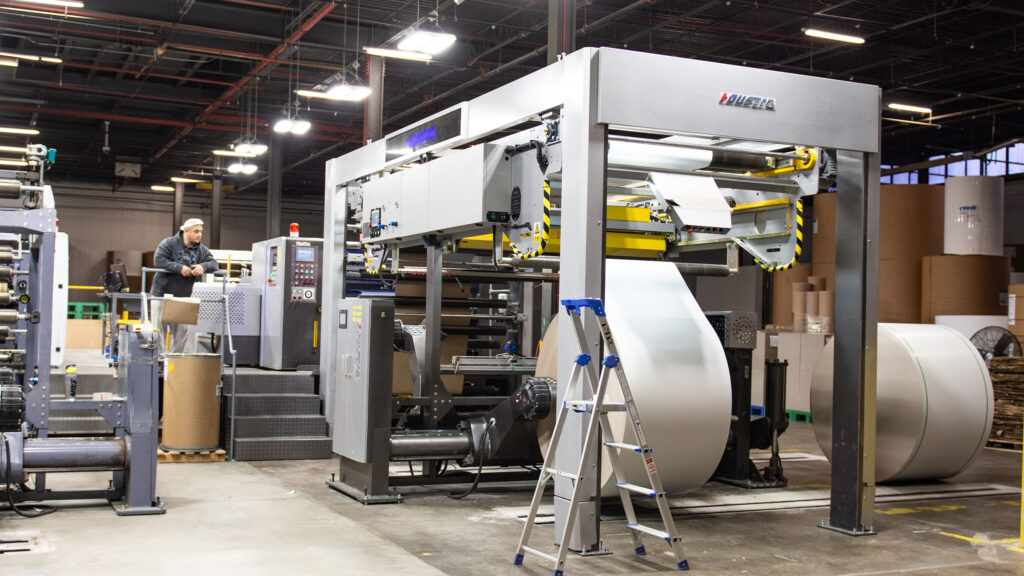
Regulations and Standards
Manufacturers in different countries operate under different environmental laws. Countries with strict standards require cleaner production processes. These standards also dictate better waste management. In addition, local manufacturers in these regions are often more closely regulated, helping to reduce emissions and waste.
The Bottom Line
Local packaging manufacturing has a lower environmental impact than overseas production. Shorter transport distances cut emissions, and local energy sources may be cleaner. Local recycling systems are also easier to manage. For these reasons, businesses and consumers concerned about sustainability may find local packaging production more suitable for their needs.
Elevate Your Brand Packaging
Craft packaging that makes your products shine
Get started today!