

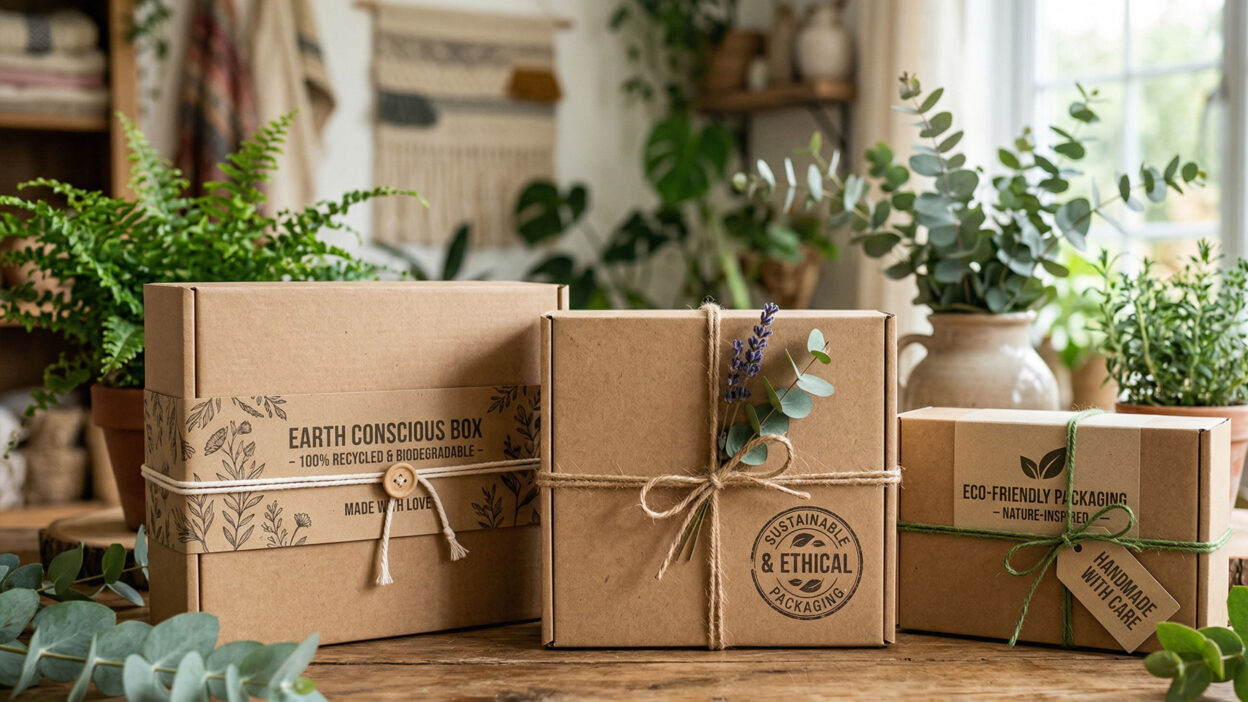
A couple of years ago, sustainable packaging was nothing but niche. But, in 2026, it is a must-have for businesses that want to respond to environmental pressure and regulations. It is also crucial in the constant chase for consumer attention.
Instead of focusing on the ‘green’ aspect or recycling, packaging trends now include the full material life cycle. This includes sourcing and disposal. The following trends are guiding the industry in 2026 and should inspire businesses to follow suit.
1. Standard Circular Packaging
One of the strongest trends coming over from 2025 is circular packaging. Companies are designing their packaging with reuse and recycling in mind. This happens even before manufacturing starts, an approach meant to support the circular economy. This economy aims to keep materials in use for as long as possible. The alternative is sending them to landfills.
Circular packaging often uses materials that recycling systems already accept. These materials include corrugated cardboard and single-material paper. Designers tend to avoid laminates and mixed materials now because they are difficult to recycle.
Circular design is quickly becoming a top choice for businesses, with EcoEnclose reporting that circular design is one of the most influential packaging shifts heading into 2026.
2. Using Alternative Materials Daily
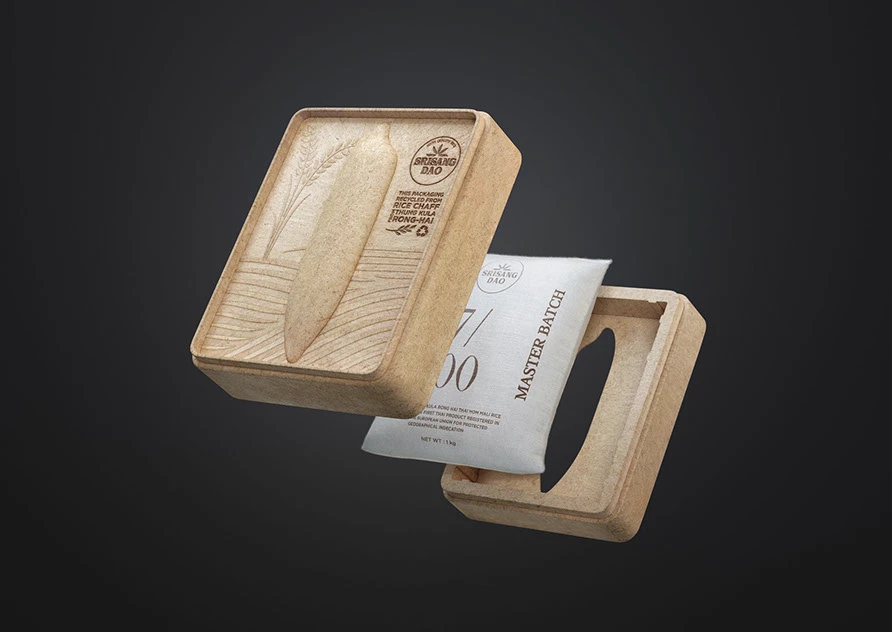
Packaging made from renewable or waste-based materials is also becoming more popular. Options include molded fiber, mushroom mycelium, seaweed films, and plant-based plastics. These materials break down faster than traditional plastics and reduce dependence on harmful fossil fuels.
Gitnux reports that sustainable materials are being widely adopted across food, retail, and e-commerce sectors. Around 80% of top consumer goods companies are working on designing and manufacturing 100% reusable or recyclable packaging by 2030.
3. Recycled Content Is a Much-Needed Trust Signal
Gone are the days when using recycled materials was enough to ‘go green.’ In 2026, companies must show how much recycled content their packaging contains. This is not a new concept, but there is a bigger push for it now, especially from consumers. Post-consumer recycled (PCR) materials help reduce the demand for virgin resources. At the same time, it also supports recycling markets.
Corrugated cardboard stands out in this area. In the U.S., over 90% of corrugate packaging is recycled, making it one of the most successfully recovered packaging materials.
4. Less Material, Better Design
In 2026, lightweight packaging is also gaining a lot more attention. This type of packaging reduced material use and transport emissions. Smaller packaging also uses fewer resources while still protecting products.
These trends support simpler designs, including fewer layers, less ink, and fewer coatings. According to industry analysis, reducing packaging weight can lower carbon emissions during shipping.
5. Technology Supports Sustainable Choices
Lastly, technology is helping businesses and consumers make better decisions when disposing of packaging. QR codes and digital labels provide information about recycling, composting, and material sourcing. Some packaging can track product freshness or supply chain data.
Research shows that digital tools improve transparency. It also helps reduce unnecessary waste by giving consumers the guidance they need for disposal.
The Bottom Line
In 2026, businesses can no longer make bold sustainable packaging claims without backing them up. Business owners must make practical decisions that continue to reduce waste and improve efficiency. All of the above trends can be included to reach one goal. Using fewer resources while meeting customer demands and real-world needs.
Elevate Your Brand Packaging
Craft packaging that makes your products shine
Get started today!